
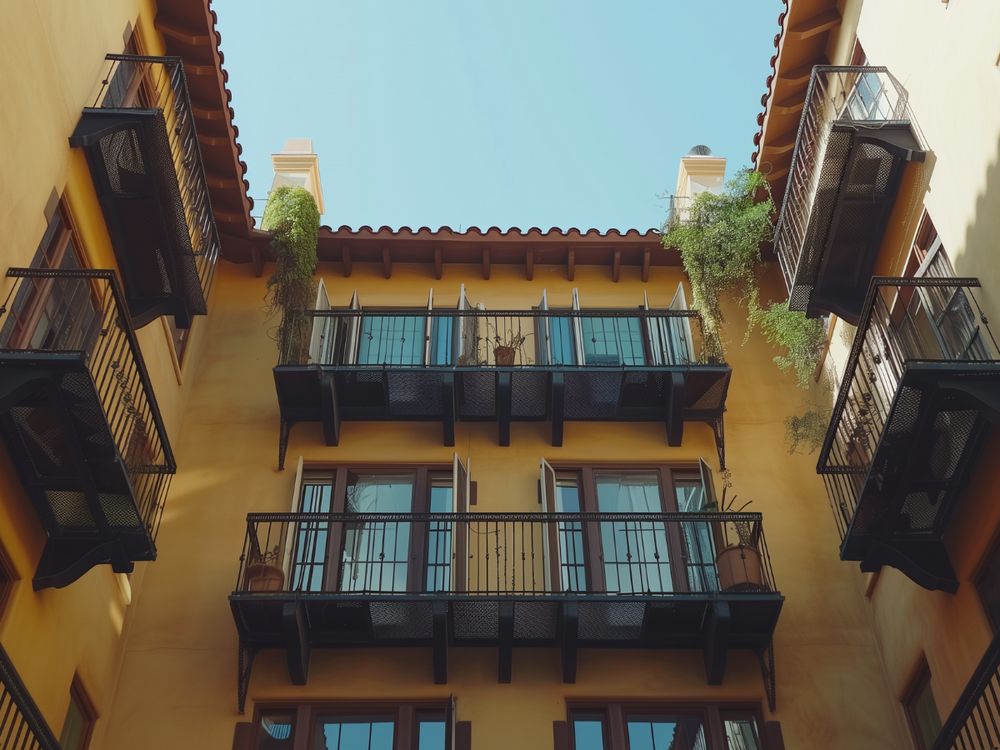
Short answer: SB 721 is a California law (Health & Safety Code section 17973) that requires apartment buildings with three or more units to have their wood-framed balconies, decks, stairways and walkways inspected. The first inspection was due by January 1, 2026, and the cycle repeats every six years.
Which buildings does SB 721 apply to?
Buildings with three or more multifamily dwelling units. Condominiums and other common interest developments are not covered by SB 721. They fall under a separate law, SB 326. See SB 721 vs SB 326.
What has to be inspected?
The law calls them exterior elevated elements. In practice that means:
- Balconies and decks
- Porches and entry structures
- Exterior stairways
- Elevated walkways
An element counts when its walking surface is more than six feet above the ground, it extends beyond the exterior walls of the building, and it relies on wood or wood-based products for structural support. The inspection also covers the waterproofing that protects that wood: flashings, membranes, coatings and sealants.
Who is allowed to perform the inspection?
The statute lists four kinds of inspector:
- A licensed architect
- A licensed civil or structural engineer
- A building contractor with an A, B or C-5 license and at least five years of experience building multistory wood-frame buildings
- A certified building inspector or building official, as recognized by the local jurisdiction
Inspect LA's SB 721 inspections are performed by a California licensed general contractor, CSLB #520725.
How much of the building is inspected?
At least 15 percent of each type of exterior elevated element. If a building has balconies and exterior stairways, the sample covers both types.
What are the deadlines?
The first inspection had to be completed by January 1, 2026. After that, the building is inspected again by January 1 every six years. For newer buildings, where the building permit application was filed on or after January 1, 2019, the first inspection is due within six years of the certificate of occupancy.
What happens after the inspection?
The inspector delivers a written report to the owner within 45 days of finishing the inspection. If the inspector finds an immediate threat to safety, the report also goes to the local enforcement agency within 15 days, and the owner has to act right away, for example by blocking access to that balcony until it is repaired.
For repairs that are not emergencies, the owner has 120 days from receiving the report to apply for a permit, and 120 days after the permit is approved to finish the work, unless the local agency grants more time.
What are the penalties?
If required repairs are still not done after the notices the law provides for, the owner can be assessed a civil penalty of $100 to $500 per day until the repairs are complete. The local agency can also record a building safety lien against the property.
How long do I keep the report?
Keep every report for at least two inspection cycles. The reports also have to be handed to the buyer if the building is sold.
I missed the January 1, 2026 deadline. Now what?
Get the inspection done and documented now. Tell us it is overdue when you request a quote and we will prioritize it.
This guide is general information about the law, not legal advice. Cities can add their own requirements, so check with your local building department.